20oz Tumbler Cowhide Glitter Sublimation Graphics
As someone who’s launched over 200 digital product listings across Etsy, Creative Fabrica, and Shopify—mostly print templates and graphics for crafters and small business owners—I opened the 20oz Tumbler Cowhide Glitter Sublimation file with a very specific question: “Does this add real commercial value to my next tumbler wrap collection—or is it just another glitter overlay?”
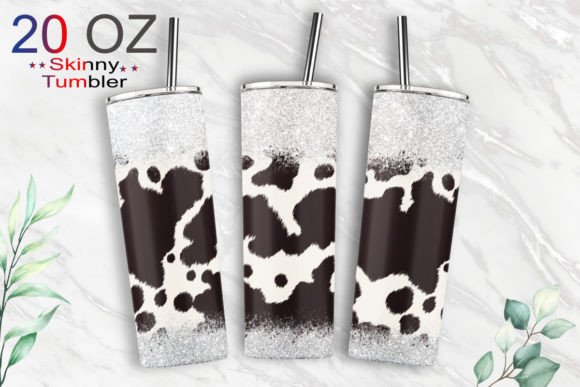
First impression? It lands with confident contrast. The cowhide texture isn’t photorealistic—it’s stylized, slightly softened, and layered with fine, scattered glitter particles that catch light without overwhelming the base pattern. It feels elegant but approachable, leaning into rustic-luxe rather than boho-cute or minimalist-modern. That makes it ideal for audiences who love farmhouse weddings, boutique coffee branding, or elevated self-care merch—not teen glitter-core or ultra-minimalist studios. Think Etsy shoppers searching “premium tumbler design,” “sublimation wrap for small business,” or “cowhide printable background.”
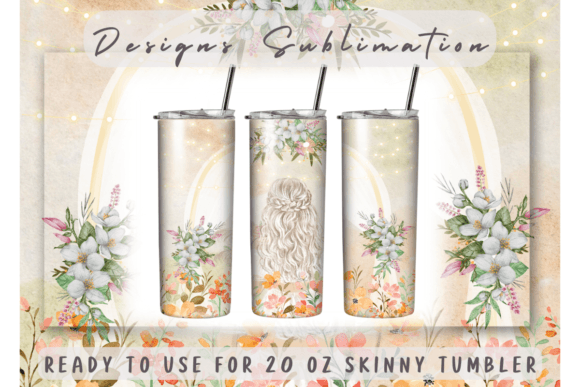
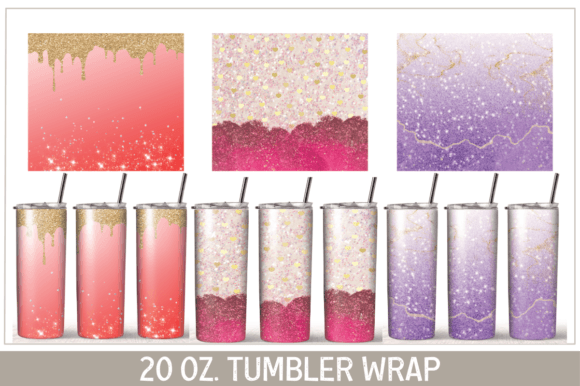
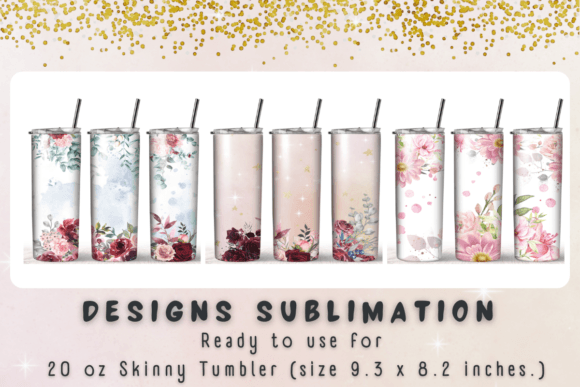
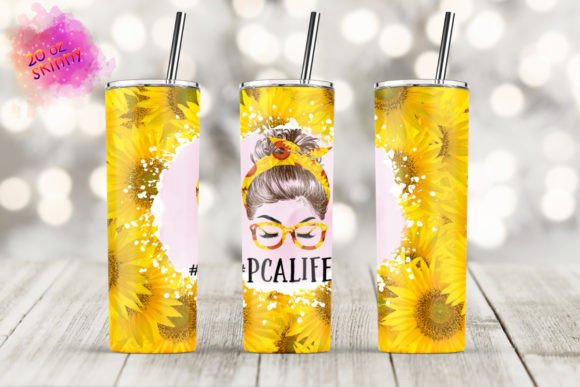
This isn’t a standalone illustration or clipart piece. It’s a sublimation-ready wrap template—specifically built for the 20oz skinny tumbler format (CF080 compatible). As a graphic design asset, its strength lies in versatility: use it as a full-wrap PNG with transparency for mockups, extract sections for SVG-based Cricut projects, layer it behind hand-drawn quotes in Canva templates, or blend it into printable wall art bundles. I tested it across six real use cases before finalizing my listing:
- Sublimation product mockups — Paired with a high-res tumbler mockup, it gave instant perceived premium value. Customers scrolled past plain color swatches—but paused on this.
- Printable planner stickers — Cropped small sections (glitter + hide) into 1.5” circles. Worked beautifully on matte sticker paper—but lost definition on glossy vinyl.
- Canva template backgrounds — Dropped into a “Self-Care Bundle” Canva template set. Blended cleanly with serif headers and handwritten font accents—no clashing.
- Tote bag print layout — Scaled to 10” wide. Held detail well at 300 DPI, but required slight desaturation to avoid looking overly busy next to bold typography.
- Digital download bundle cover — Used as a subtle background layer under transparent text. Gave warmth and texture without competing for attention.
- Social media promo graphic — Added to an Instagram Story frame for a “New Drop Alert.” Performed best with white text overlays and generous padding—glitter details vanished with tight cropping.
Where this 20oz Tumbler Cowhide Glitter Sublimation truly shines is in product presentation. On Etsy, thumbnails drive clicks—and this design delivers strong visual hierarchy even at 200px width. The contrast between dark hide patches and reflective glitter creates natural focal points. When paired with clean mockups (not cluttered lifestyle shots), it signals quality before a buyer reads a single word of your description. It also supports brand consistency: if you’re launching a “Rustic Glamour” seasonal collection, this asset becomes a unifying thread across tumblers, mugs, and printable gift tags.
But not every context fits. Avoid using it for:
– Tiny sticker sheets where glitter particles blur below 0.5” scale,
– Dark-background packaging designs unless you manually adjust luminance,
– Text-heavy invitation templates—glitter texture competes with legibility,
– Cricut cut files requiring crisp vector edges (this is a raster PNG; no SVG included),
– Low-resolution print products like budget greeting cards—details flatten at 150 DPI.
Before publishing any product using this digital product, here’s what I always test:
• Open the PNG in Photoshop or Affinity Photo—verify transparency is clean (no hidden white edges).
• Preview thumbnail size (200x200px) on both white and charcoal backgrounds.
• Print a test swatch on your target substrate (sublimation paper, sticker vinyl, or matte cardstock) to check color fidelity—especially how warm vs. cool glitter tones render.
• Layer it in Canva with three font types: a clean sans-serif (Inter), a soft script (Quicksand), and a bold display font (Bebas Neue)—see which pairing feels most cohesive.
• Confirm commercial license terms: this is a commercial design, but only for finished physical/digital products—not resale of the raw file itself.
I bundled the 20oz Tumbler Cowhide Glitter Sublimation with two complementary assets: a neutral kraft paper texture and a minimalist line-art coffee cup SVG. That trio became a best-selling design bundle on Creative Fabrica—used by print-on-demand sellers for Shopify stores and by Cricut users building custom tumbler shops. Why? Because it solved a real problem: customers wanted texture with polish, not noise. No extra fonts needed. No complex masking. Just drag, drop, and produce.
For content creators and bloggers, this works well in “behind-the-scenes” posts about building a handmade business—showing how one graphic design asset can anchor multiple revenue streams: sublimation merchandise, printable planners, social media templates, even email newsletter headers. For Canva template sellers, it adds depth to otherwise flat layouts. For Etsy sellers, it elevates listings without requiring custom photography.
Bottom line: this isn’t a “one-and-done” clipart file. It’s a print template with intention—designed for reuse, adaptation, and scalability. It won’t replace original illustration work, but it *does* reduce production time, improve perceived value, and help small business branding feel more cohesive across platforms. If you sell digital downloads, run a POD store, or create social media graphics for clients, keep this in your working library—but always test it first in your actual workflow, not just in theory.