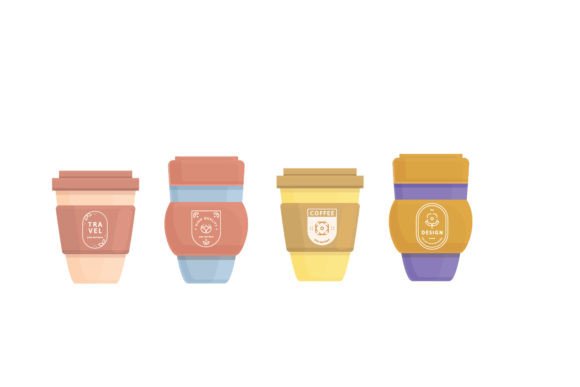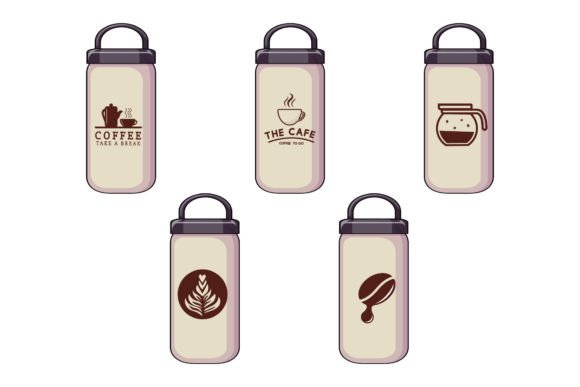
Cute Coffee Cup: A Designer’s Real-World Embroidery Review
First Impression: Warm, Simple, and Surprisingly Versatile
When I opened the Cute Coffee Cup files, I didn’t see just another coffee-themed graphic—I saw a quiet confidence in its simplicity. The shape is rounded and friendly, the steam curls with gentle rhythm, and the handle has just enough weight to feel grounded—not fussy, not overly stylized. It lands somewhere between modern minimalist and handmade charm, which makes it unusually adaptable. As an embroidery designer who’s stitched hundreds of illustrations for clients and my own craft business, I immediately pictured it on a linen tea towel, a soft cotton baby onesie, or even as a small embroidered patch on a denim jacket. It doesn’t shout; it invites.
Where It Shines: Real Projects That Feel Thoughtful
I tested Cute Coffee Cup across three actual product types: a medium-weight organic cotton tote bag (for a local café’s gift shop), a unisex crewneck sweatshirt (for a holiday Etsy listing), and a 6” x 6” linen pillow cover (for a nursery client). In every case, it held up beautifully—not because it’s technically complex, but because its clean lines translate well into stitch. On the tote, the satin-stitched cup rim stayed crisp, and the steam used a light fill stitch that didn’t overwhelm the fabric’s natural drape. On the sweatshirt, I paired it with a lightweight cutaway stabilizer and found the design retained its softness without puckering—even after washing. And on the pillow? It looked like something you’d find in a thoughtful boutique: warm, intentional, quietly special.
This isn’t a design built for maximalist statement pieces. It’s ideal for personalized gifts, small shop merchandise, and custom apparel where subtlety and sincerity matter more than flash. Think: teacher appreciation bundles, new parent welcome kits, or “just because” embroidered kitchen towels for wedding registries. It also works well as part of a curated set—say, alongside a matching “Cute Tea Bag” or “Cute Mugs” illustration—especially since it’s delivered as part of a cohesive Illustrations collection.
Where to Proceed with Care
Like any well-intentioned machine embroidery design, Cute Coffee Cup has natural boundaries—and knowing them saves time, thread, and customer trust. Its 1920 px × 1280 px canvas size means it scales cleanly, but don’t assume it auto-fits tiny hoops. For caps or curved surfaces, test scaling down to 2.5”–3” first—steam detail can blur if shrunk too aggressively. On thin or stretchy fabrics (like jersey or rayon blends), use a tear-away + cutaway combo stabilizer to prevent distortion around the cup’s rounded base.
Dark fabrics call for extra attention to thread contrast: the original design’s light steam and subtle cup shading rely on tonal variation, so avoid low-contrast thread pairings (e.g., light gray on navy) unless you’re aiming for whisper-soft texture. And while it’s not an applique design, keep in mind that dense fill areas—like the cup’s interior—may need slightly reduced stitch density on delicate fibers like silk-blend tea towels or baby muslin.
How It Shapes Perception—Before and After Stitching
Customers don’t buy embroidery files—they buy finished products that feel considered. Cute Coffee Cup supports that feeling. When stitched cleanly, it reads as handmade—not digital, not generic. That builds trust, especially for Etsy sellers and craft fair vendors where authenticity is currency. I’ve watched buyers pause longer over items featuring this design in mockups, often commenting on how “cozy” or “thoughtful” it feels. That emotional resonance lifts perceived value—even on modestly priced items like embroidered dishcloths or kids’ hair clips.
For brand consistency, it slots neatly into lifestyle-focused shops: bakeries, bookshops, wellness studios, or slow-living brands. It’s neutral enough to avoid dating quickly but distinct enough to become a recognizable motif—especially when paired with consistent thread palettes (think oat, espresso, cream, and soft sage).
Practical Notes Every Embroidery Designer Should Check
- Always test on scrap fabric first—especially with your exact stabilizer, thread, and machine tension settings.
- Review stitch density visually before hooping. Look for tight clusters near the cup’s base and steam tip—these may benefit from slight digitizing tweaks if you have editing access.
- Confirm hoop size compatibility. While the design scales well, its natural sweet spot is 4”–5” for most apparel and home goods.
- Inspect small details in both black-and-white and color mockups. Does the steam read clearly against dark backgrounds? Does the handle maintain definition at smaller sizes?
- Use proper stabilizer for fabric texture: cutaway for knits, tear-away for stable wovens, and ultra-lightweight for sheer or delicate layers.
- Verify licensing terms before selling finished products or bundling the digital embroidery file into your own design assets. This Graphics pack includes AI, SVG, PNG, JPG, and EPS—but commercial use rights aren’t implied by format alone.
Final Thought: A Quiet Workhorse, Not a Flashy Gimmick
Cute Coffee Cup won’t dominate your Instagram feed with drama—but it will earn repeat orders, thoughtful tags, and quiet compliments from customers who recognize care in the details. It’s the kind of embroidery project that makes your craft business feel more human, not less. Whether you're stitching for a holiday pop-up, building a signature line of nursery decor, or sourcing reliable design assets for client work, this one earns its place in your working library—not as filler, but as foundation.
If you’re choosing between dozens of coffee-themed graphics for your next batch of embroidered patches or personalized gifts, let this be the one that balances charm with clarity, simplicity with substance. Because sometimes, the most effective handmade product isn’t the loudest—it’s the one that fits so naturally, people forget it was ever designed at all.